Buyer guide
The best drone for a farmer depends on the job: scout, map, spray, or sell service.
If you need one fast rule, use this: buy the smallest reliable drone that completes the recurring field decision. A scouting drone, mapping drone, and spray drone are different tools, even when sales pages blur them together.
A universal “best farm drone” list is usually a disguised affiliate page. Farms do not buy a drone category; they buy a job. The right recommendation changes when the job is checking a wet spot, mapping a stand problem, spraying fungicide in a narrow window, or launching a custom-application business.
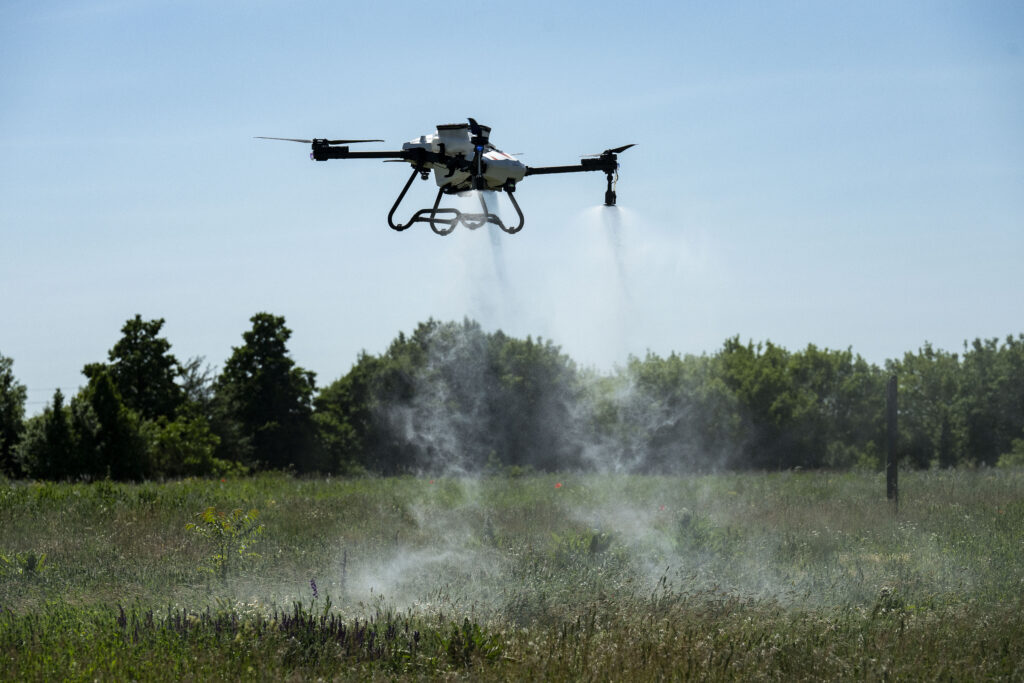
Best choices by farm job
| Decision | Best fit | Watch point |
|---|---|---|
| Crop scouting | Reliable RGB drone, fast launch, good camera, simple flight workflow. | Do not overbuy sensors if nobody will process or interpret the data. |
| Mapping-first farm | Planned flight software, repeatable imagery, optional multispectral sensor. | Processing time and agronomy interpretation can become the bottleneck. |
| Small-acre spray work | Spray drone with local support, manageable tank, strong battery workflow. | Refill cadence may dominate output at higher gallons per acre. |
| Custom applicator | Commercial spray platform, spare parts, batteries, insurance, compliance process. | Downtime during the spray window is more expensive than headline payload. |
| Orchard/vineyard | Platform and nozzle setup that can handle canopy geometry and drift discipline. | Coverage validation matters; row crops and canopy crops are different worlds. |
When not to buy a spray drone
Do not buy one because the neighbor has one, because ground rigs are expensive, or because a video makes the work look effortless. Pause if you cannot identify the recurring acres, chemical programs, legal pathway, crew plan, and service support. A drone sitting in the shop is worse than a custom applicator invoice.
Use-case recommendations
Best first farm drone
Start with a dependable RGB camera drone if the main job is scouting: checking wet spots, emergence, storm damage, cattle water, irrigation, or field access. The win is speed and repeatability, not payload.
Best mapping setup
Choose planned-flight software, consistent altitude, good image overlap, and a workflow for processing maps. Add multispectral only when the agronomist or operator has a clear interpretation process.
Best spray setup
Buy the spray platform around acres per tank, acres per hour, charger capacity, local support, and legal pathway. A bigger tank does not help if the landing zone cannot keep up.
Best custom applicator setup
Prioritize uptime: spare parts, batteries, repair turnaround, training, insurance, recordkeeping, and a dealer who answers the phone during the spray window.
Category decision
Pick the drone category before the model shortlist.
Eyes first
If the job is faster scouting, buy camera reliability and launch speed before sensors.
Data first
If the job is maps, buy repeatable flight planning and a processing workflow.
Application first
If the job is spray or spread, leave this page and compare spray platforms by support and field math.
How to compare farm-drone categories without getting lost
Build a one-page operating sheet for the job before naming a brand: field decision, acres, timing pressure, data workflow, crew skills, support needs, and compliance requirements. Put price last. A cheaper aircraft in the wrong category is still the wrong purchase.
| Metric | Value | Why it matters |
|---|---|---|
| Scouting drone | Camera quality, launch speed, battery life, simple workflow | Best for farms that need eyes in the field more than a full data platform. |
| Mapping drone | Flight planning, image overlap, sensor options, processing path | Best when maps are compared over time or handed to an agronomist. |
| Spray drone | Tank, swath, flow, battery cycle, support, legal fit | Best when access and timing justify the application workflow. |
| Service fleet | Uptime, spares, training, records, insurance, dispatch process | Best when the drone is revenue equipment, not a convenience tool. |
Budget beyond the aircraft
A realistic purchase budget includes batteries, charger or generator capacity, mixing and measuring equipment, spare pumps/nozzles/arms, landing mats, transport, software, training, insurance, and downtime margin. Service businesses also need job intake, records, customer reporting, and a plan for days when wind shuts the schedule down.
Farms buying for internal use can tolerate a narrower support system if the drone is optional. Custom applicators cannot. Their real purchase is uptime during short windows, not just payload.
The field-first buying sequence
- Choose the recurring job: scout, map, spray, or service.
- Estimate acres and timing pressure.
- Check FAA, pesticide, and state requirements.
- Run tank, acres/hour, and battery productivity math.
- Call the support provider before you call the salesperson.
Models to compare next
If the job is spray or spreading, move from category thinking to model comparison. Start with the agriculture drone models buyer guide, then run the tank coverage and acres-per-hour calculators with conservative numbers.