Flight Lab
The recreational pathway, and when hobby becomes commercial.
Flight Lab is DroneOps Guide's editorial corner for U.S. recreational drone flyers — the TRUST test, the Part 107 boundary, registration, airspace, and the regulatory questions hobbyists actually ask. Vendor-neutral, primary-source, no paid course on the other end.
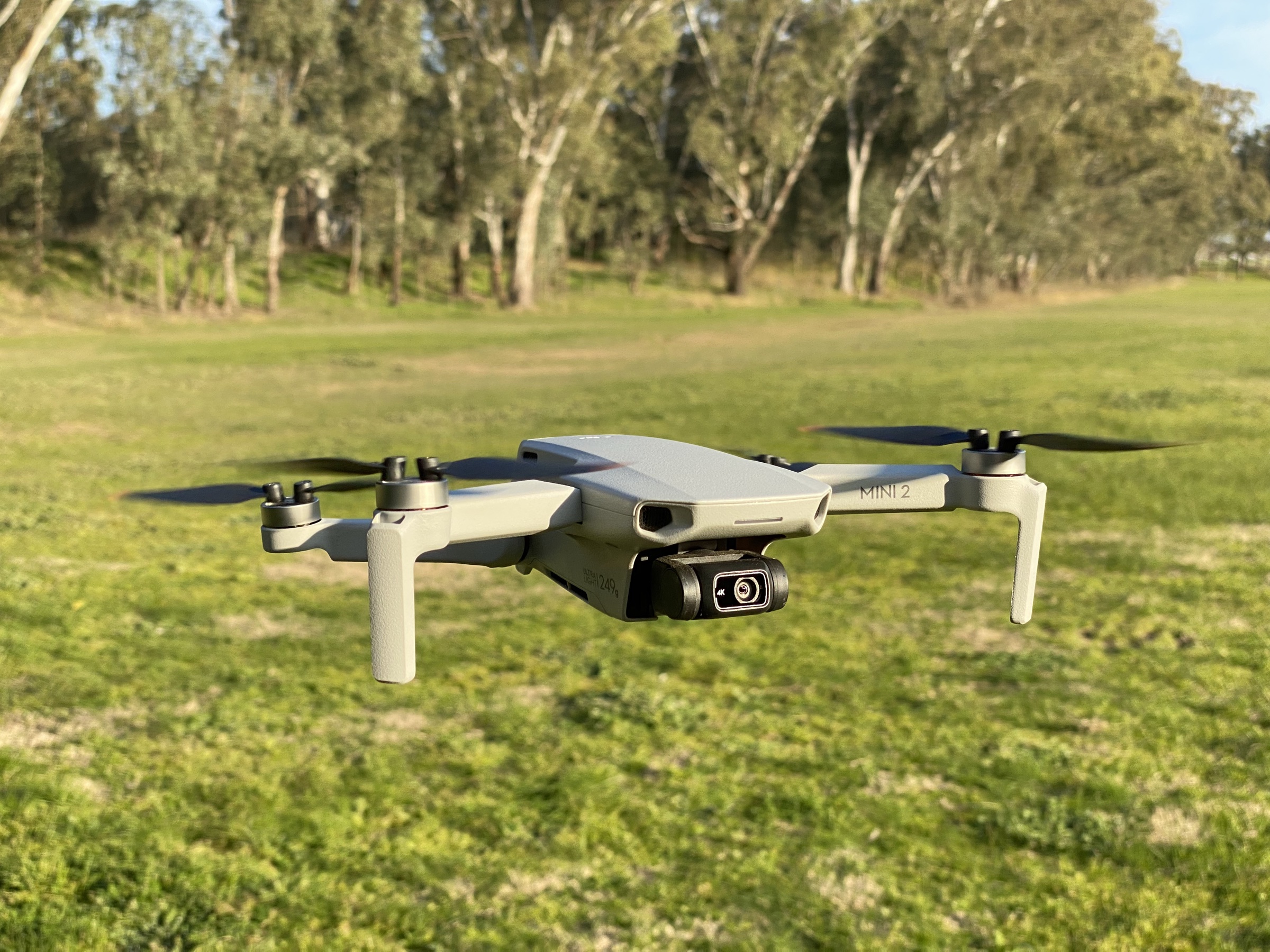
Recreational to commercial pathway
Start with the flight purpose, then clear the steps the aircraft and airspace require.
The hinge is not the drone model. It is why the flight happens. A recreational pilot can still need TRUST, registration, Remote ID, LAANC, and night lighting; the Part 107 boundary appears when the flight serves a business, client, or monetized output.
Pathway map
- 01Starting lane
Recreational
The flight is for enjoyment, not a client, employer, listing, or monetized channel.
- 02Required
TRUST
Required before recreational flight, regardless of aircraft weight.
- 03Aircraft check
Registration
Weight and use decide whether the aircraft needs an FAA registration number.
- 04Equipment check
Remote ID
Most registered aircraft need Standard Remote ID or a broadcast module.
- 05Airspace check
LAANC
Controlled airspace still needs authorization, even for a backyard-style flight.
- 06Operating condition
Night
Lighting, visibility, and rule set matter before sunset becomes a work plan.
- 07Commercial boundary
Part 107
Clients, compensation, business use, and most published work move the flight here.
Commercial intent can arrive before the aircraft ever changes. The same sub-250g drone can sit in the recreational lane on Saturday and require Part 107 for a paid real-estate shoot.
Guides
Guide · 8 min
TRUST test administrators compared
All FAA-approved administrators host the same free test. The real choice is which organization gets your inbox.
Read the guide →
Guide · 9 min
Part 107 vs recreational: the actual tripwires
The eight specific moments a hobby flight becomes a commercial one — written by someone who doesn't sell Part 107 prep.
Read the guide →
Guide · 9 min
LAANC for recreational flyers
Most LAANC content is written for Part 107 pilots. Recreational flyers can — and must — use the same authorization system in controlled airspace.
Read the guide →
Guide · 10 min
Selling drone photos legally
The five-step regulatory workflow from TRUST to first paid shoot, plus where the income paths actually pay.
Read the guide →
Guide · 8 min
How to register a drone with the FAA
The ten-minute walkthrough, the sub-250g exception specifics, and the five re-registration triggers most guides miss.
Read the guide →
Guide · 9 min
Remote ID for hobbyists
Which drones need it, which don't, Standard RID vs Broadcast Module, sub-250g specifics, and the enforcement reality.
Read the guide →
Guide · 8 min
The sub-250g drone exemption
What the recreational exemption from registration and Remote ID actually covers, drone by drone, and the Plus Battery trap.
Read the guide →
Guide · 8 min
Flying a drone at night
Night flight is no longer waiver-heavy. Anti-collision lighting, the visual line-of-sight trap, and the civil-twilight distinction.
Read the guide →
Guide · 8 min
Drone insurance for recreational pilots
Most hobbyists already have $2.5M+ in liability coverage through AMA or homeowners. The honest hobbyist map.
Read the guide →
Guide · 9 min
Drone insurance for commercial pilots
$1M-$5M liability requirements, on-demand vs annual policies, and what a realistic first-year cost looks like.
Read the guide →
Editorial position
Why this section exists separately from Regulations.
The Regulations hub answers questions for commercial operators who already know they're running a Part 107 operation: BVLOS planning, agricultural Part 137 exemptions, applicator certification. Flight Lab is for everyone earlier in the pipeline — the hobbyist trying to figure out whether their flight is even legal, the recreational flyer wondering when their YouTube monetization changes the math, the parent helping a teenager pass TRUST.
We separate the two because the answers do. A flight log for a commercial spray operator looks nothing like the "am I required to register this DJI Mini 4 Pro?" question. Treating both audiences with the same voice produces content that serves neither.
Coming
What we're writing next.
- FPV-specific compliance — goggles, spotters, chase-vehicle setups, and what changes when you can't see the aircraft directly.
- Flying over people — what §107.39 actually requires and which drones qualify for the operational categories.
- International drone laws for U.S. travelers — what changes when you fly your drone abroad, and the registration/permit reality in common destinations.
- Drone weight class shopping guide — choosing between sub-250g exemption convenience and the capabilities of heavier aircraft.
Cadence is editorial, not algorithmic — guides ship when the research is honest, not when a calendar says so.