Pilot certification
Remote-pilot certification, daylight/airspace limits, weight + altitude caps. Required floor for any commercial agriculture flight, including spray. Part 107 waivers cover the operational exceptions (night, over people, BVLOS).
Regulations
A farm spray mission can touch Part 107, Remote ID, airspace authorization, Part 137 exemptions, pesticide applicator certification, product-label language, and state rules. This hub covers the flight side directly and points at primary sources for the pesticide-law side until our dedicated guides ship.
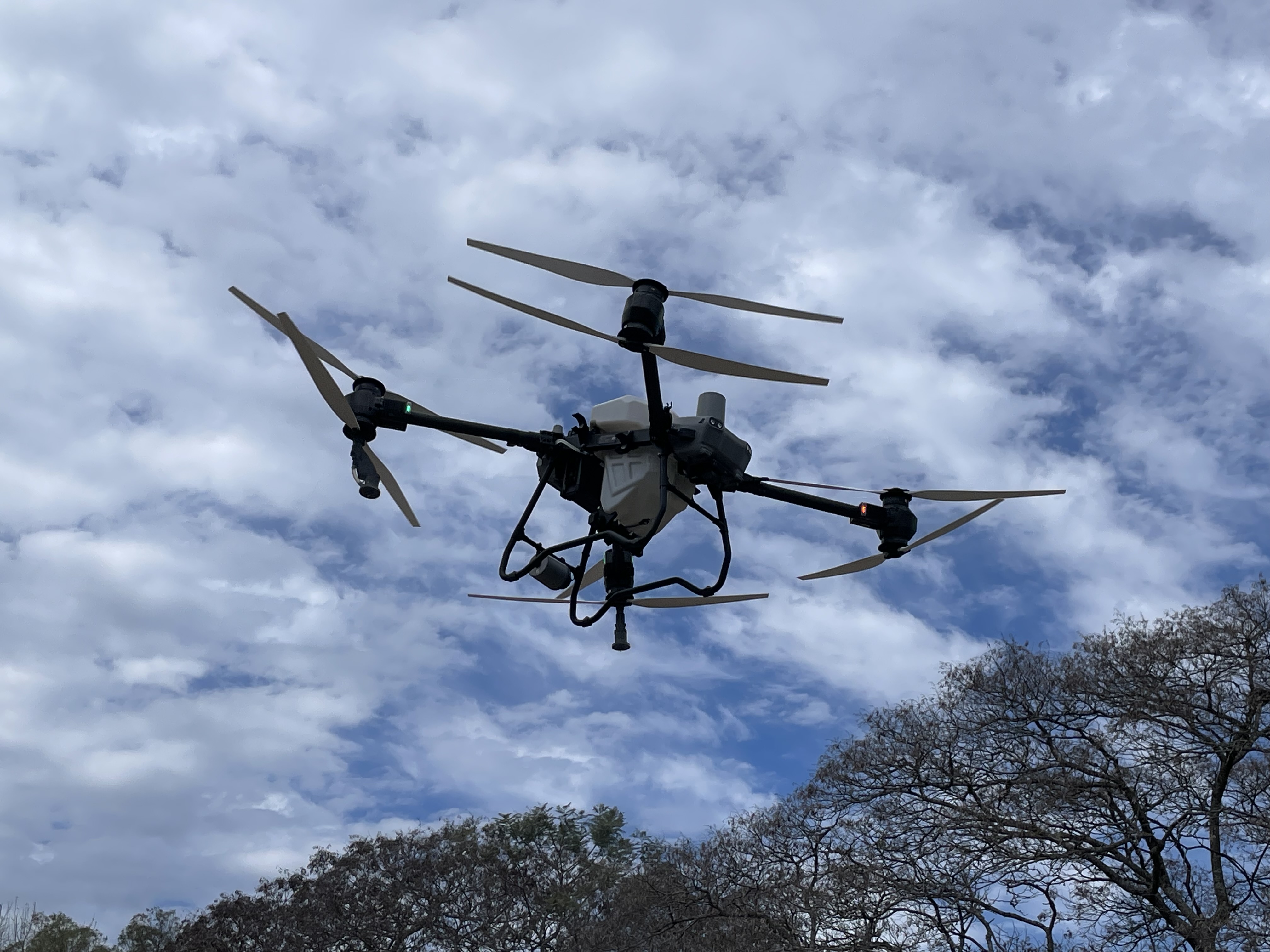
Clear the aviation stack before launch, then clear the pesticide stack before application. Each layer starts with a primary source because the operation, aircraft, location, and payload change the answer.
01
Pilot certification
02
Aircraft rules
03
Airspace
04
Remote ID
05
Operation type
06
BVLOS / advanced operations
07
Pesticide / Part 137 layer
Remote-pilot certification, daylight/airspace limits, weight + altitude caps. Required floor for any commercial agriculture flight, including spray. Part 107 waivers cover the operational exceptions (night, over people, BVLOS).
Weight, maintenance, registration, operating limitations, and agricultural aircraft rules can all matter before the spray system ever turns on.
Controlled airspace may require LAANC or other FAA authorization before launch. Do not let a field boundary hide the airport map.
Standard or broadcast module required on all commercial aircraft. Plan compliance before equipment purchase, not after — retrofits exist but add cost.
VLOS, night, over people, or BVLOS changes the permission path. Plan the operation you will actually fly, not the one in the product video.
BVLOS remains waiver-heavy today. Treat remote or scaled field coverage as strategic planning, not a default operating mode.
Applicator certification, product label, state rules, and records are separate from FAA authority. State pesticide requirements vary.
Pesticide applicator layer
Part 137 agricultural-aircraft exemption (the FAA layer), EPA-registered product labels, federal applicator certification, and state-by-state applicator rules and recordkeeping are independent of Part 107 flight authority. A commercial drone spray mission requires both stacks. Our dedicated Part 137 and state-rule guides are queued; until they ship, start with these primary sources.
Regulatory anchor
Where Part 107 ends, what waivers actually require, and why routine BVLOS spraying is still a planning problem for most agriculture operators.
Read the BVLOS guide →